
The role Telefónica play in the emergency sector
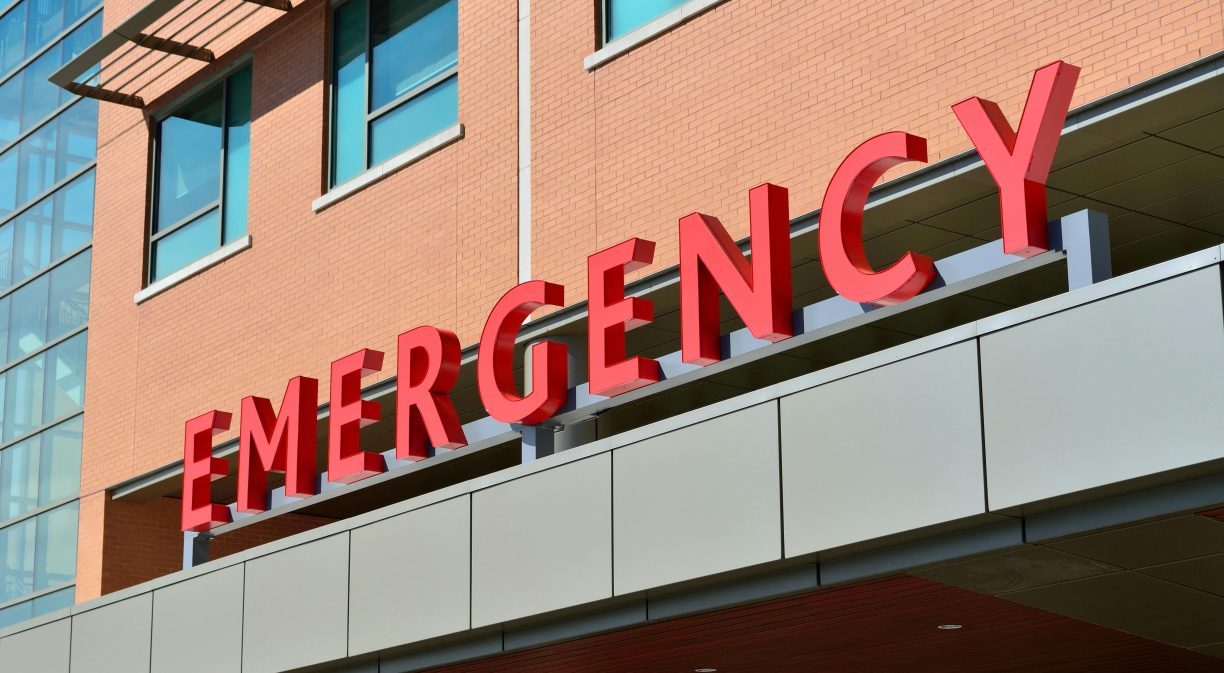
Telefónica plays a fundamental role in this sector, as it has been providing comprehensive solutions for Emergency Centres for more than 25 years. The key component of our solutions is SENECA, an Emergency Response and Management product developed by Telefónica, which is currently undergoing a complete overhaul to adapt it to new technological capabilities.
Currently, more than 70% of the Spanish population is served by emergency centres managed by Telefónica, either through the various regional 112 and 061 services or by the national security forces.
It is not just a matter of providing communication with citizens: it is about designing and offering solutions that enable rapid and effective response, making it easier for response teams to coordinate better, access critical information and make decisions with maximum precision at critical moments.
What does a product manager do?
A Product Manager is, in short, the person responsible for shaping the products and services we offer, ensuring that they truly meet the needs of our customers. In my case, that means listening carefully to both users and internal teams to understand their challenges and translate all of that into solutions that add value.
It also involves working closely with other areas of the company, such as Operations, Engineering and Sales, to establish and work towards the same goals. It is a very dynamic role: every day is different, and it requires combining a strategic vision with a very practical approach.
What I like most is being able to see how an idea becomes something real that improves people’s lives and has an impact on the business.
The professional profiles are typically involved in this profession
In the world of Product Marketing, there is no single profile. The interesting thing about this area is precisely that it combines different perspectives: there are profiles with extensive technical knowledge, others who come from the commercial field, and even from areas such as consulting or customer service.
What is key in the environment in which we work is having a good business foundation and a solid technological vision, because we work with complex products that are highly oriented towards the specific needs of each customer.
Beyond training, what really makes the difference are skills: curiosity to listen and understand the customer’s problems, the ability to connect teams and collaborate with other areas, and a passion for building solutions that have a real impact.
What is your day-to-day like?
My day-to-day is quite dynamic, and that is precisely one of the things I like most about this job: no two days are the same.
I spend a significant part of my time meeting with our clients and understanding their challenges and priorities first-hand, which is essential to ensure that what we develop truly meets their needs.
There are also times when we hold internal meetings where we work together with the technical or commercial teams to make decisions about current projects or new opportunities.
And finally, there are also moments of analysis and planning: reviewing data, identifying medium/long-term opportunities or adjusting the product strategy.
It is a very collaborative job, where you learn something new every day and which is rewarding when you see that your efforts translate into solutions that really make a difference.
To what extent are you affected by the advancement of new technologies?
Technological advances are completely transforming emergency response and management. We could mention two of the ones that are having the greatest impact on our sector:
- Artificial Intelligence has enabled us to develop virtual assistants to support emergency centre agents, transcribing and translating calls, as well as analysing conversations in real time.
- 5G networks guarantee ultra-fast and stable connectivity, supporting video calls, data transmission from video systems and drones. In addition, the continuity of emergency communications services is guaranteed thanks to ‘network slicing’ or capacity reservation for critical services.
These technologies not only improve efficiency and coordination, but also directly contribute to saving lives and protecting citizens, which is the main objective of our solutions.