
Industry and logistics are undergoing a structural transformation that goes far beyond the incorporation of technology. We are talking about a change in the way we operate, make decisions and understand the business. This evolution is not uniform: each company starts from a different point, with specific challenges and varying degrees of technological maturity.
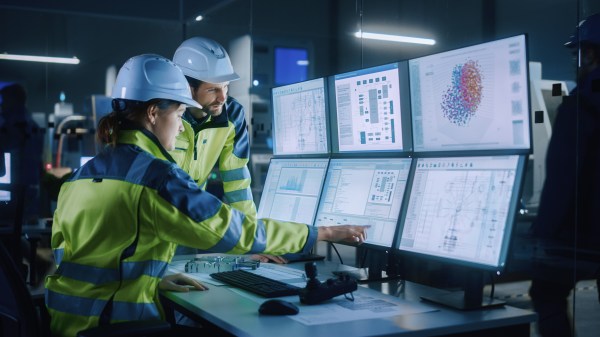
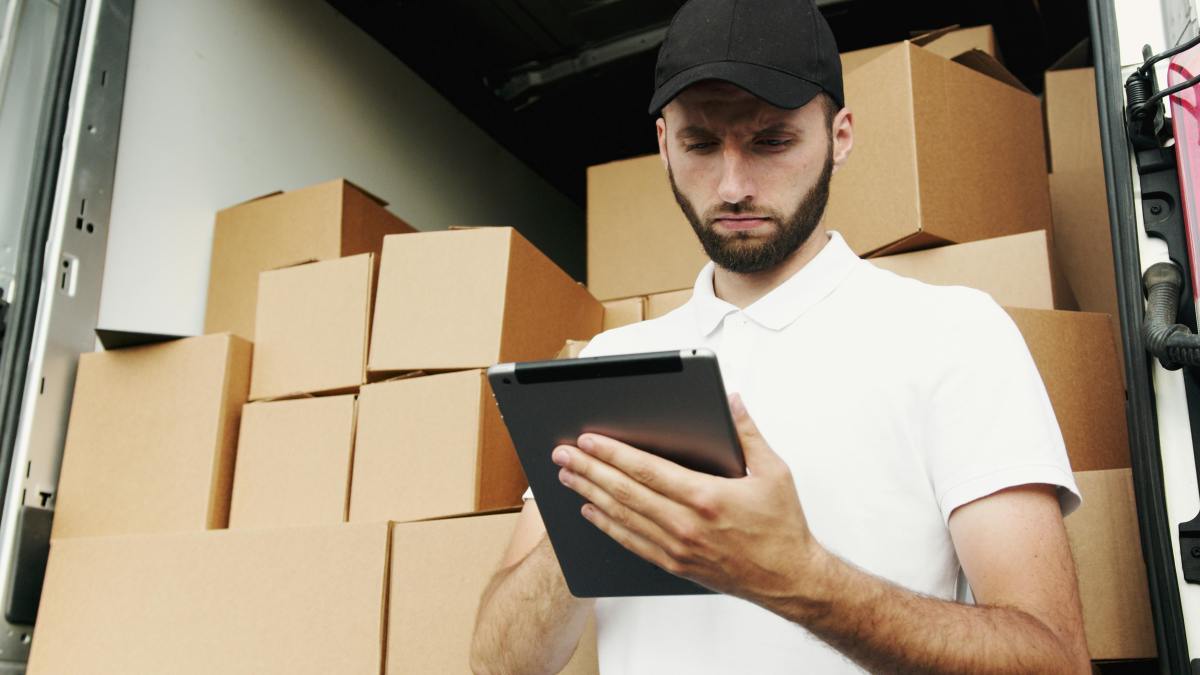
For many organisations, the first big leap is simply to stop using paper, go digital and start collecting data in a structured way. Being able to access reliable information about what is happening on the shop floor, in warehouses or in the supply chain allows for more informed decision-making, anticipating problems and optimising resources. Such advances, while they may seem basic, have a huge impact on competitiveness.
Industrial digitisation is a strategic necessity in order to adapt to an increasingly demanding environment, where efficiency, resilience and sustainability are key. And on this journey, technology is an enabler, but the real driver of change is people and the vision for the future of each organisation.
What role does Telefónica play in the digital transformation of industrial sectors?
At Telefónica, we work as technology partners with our customers, accompanying them throughout the transformation process. From the business development area, our approach is based on deeply understanding the customer’s challenges and building solutions that make sense in their operational context.
One of the key tools we use are the industry workshops we hold at LaCabina, our innovation centre. There, we have an industry set where we showcase advanced technologies working in an integrated way: artificial vision, industrial networks, MES systems, collaborative robotics and drones, among others. This space allows customers to see how technology can be applied to their real processes.
After the visit, we sit down with them in working groups to analyse their specific challenges and design a roadmap that connects the technology with their needs. This engineering and consulting approach is what makes the difference: we do not sell standard solutions, but rather co-create and accompany the customer in their digitisation and automation strategy to enable them to move forward in a phased manner and with real impact.
What technologies are accelerating industrial and logistics digitisation?
The answer depends greatly on each company’s starting point. For those that are less digitised, technologies that enable data capture and structuring — such as connected sensors, SCADA or MES systems — are already revolutionary. Simply having visibility into what is happening in real time and ensuring that the data is unique and accurate radically changes the way they operate.
If I had to highlight one technology for its versatility and ease of implementation, it would be computer vision. It is a solution that can be used for multiple purposes: quality control, traceability, security, operational efficiency… And the most interesting thing is that, when combined with algorithms, it becomes a very powerful tool for extracting value from visual data.
Looking ahead, I believe that generative artificial intelligence (GAI) is going to transform the way we work in all sectors. Its ability to integrate into processes, generate content, automate tasks and discover new use cases opens up a range of possibilities that we are only just beginning to explore. The key will be knowing how to apply it responsibly and strategically.
What sets companies that are leading the digital transformation apart from those that have not yet taken the plunge?
The difference is not so much in budget or size, but in vision. Companies leading the digital transformation understand that technology must serve the business, not the other way around. They are able to define a clear roadmap with specific objectives and align their teams around that strategy.
They also tend to have a culture that is more open to change, where collaboration between areas is encouraged. In industry, this translates into more cross-functional structures, where IT and OT work together, and where production, planning and maintenance are synchronised. This integration is key to ensuring that data flows, is converted into useful information and enables strategic decisions to be made.
Conversely, companies that have not yet taken the plunge often face barriers such as resistance to change, a lack of digital talent, or difficulty connecting technology to real business problems. Overcoming these barriers requires support, training, and a shared vision.
What professional profiles are emerging in the digital industry? How is talent being transformed?
Rather than talking about specific profiles, I think what is relevant is how organisations are evolving. Digital transformation requires more collaborative structures, where areas are not isolated from each other. It is increasingly important for IT and OT to work together, for production, planning and maintenance to be synchronised, and for all processes to generate unique and valuable data.
This means that professionals must have a broader vision, understand how their work impacts the system as a whole, and be able to collaborate with other disciplines. Roles such as data engineers, automation specialists, digital transformation managers, and process analysts are gaining prominence, but I believe that certain cross-cutting skills are most important: continuous learning, adaptability, and a focus on value and objectives.
What opportunities do you see in the near future for industry and digital logistics in Europe?
Europe is at a key moment in redefining its industrial model. The need to be more resilient, sustainable and competitive is driving digitalisation across all sectors. In particular, the defence industry is set to experience significant growth thanks to new funding and aid, such as the ReArm Europe plan, which will mobilise hundreds of billions of euros in the coming years.
This will generate growing demand for technological solutions that enable process modernisation, strengthen cybersecurity, improve traceability and optimise decision-making. Telefónica is well positioned to accompany companies on this journey, providing capabilities in automation, connectivity, artificial intelligence and data governance.
The opportunity lies in building a smarter, more connected industry that is better prepared for the challenges of the future. And that can only be achieved with vision, collaboration and strategically applied technology.