
Tell us a little about yourself. What does your job at Telefónica involve?
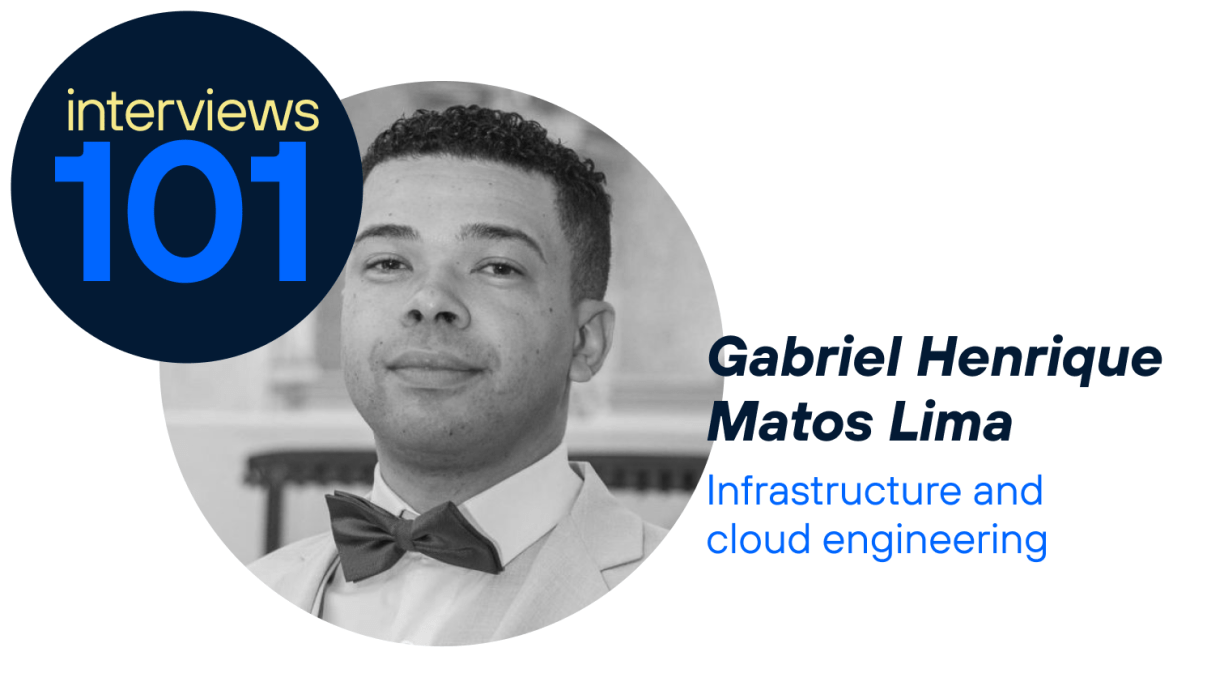
I am Gabriel Henrique Matos Lima, Senior IT Project Analyst at Telefónica. My job involves leading technological initiatives that transform operations and generate tangible value.
I have participated in strategic projects such as the migration of the Terra environment, where we transitioned from VMware to a native Azure environment, modernising the infrastructure and enhancing scalability. I also led the migration of NAS servers, managing more than 5 billion files without incident, with performance improvements and operational savings of over 46,000 reais.
In addition, I am involved in environment optimisation projects focused on cost reduction, aligned with FinOps principles, and technological obsolescence and data centre optimisation initiatives.
My work is directly related to OPEX and CAPEX reduction, and I actively participate in POCs for new technologies, evaluating their applicability and potential impact on operations. I also collaborate in the creation of new infrastructures to implement innovative solutions that meet the needs of the IT area.
How would you define the position of IT project analyst?
It is a key role that connects technology with business objectives. The IT project analyst translates strategic needs into viable technical solutions, coordinates multidisciplinary teams, manages risks, and ensures that projects are delivered with quality, on time, and within budget. It is a bridge between innovation and execution.
What professional profiles are dedicated to this type of role?
Mainly professionals with training in engineering, information systems, or project management. But beyond the title, what really makes the difference is leadership ability, critical thinking, effective communication, and a strong results orientation. It is also common to see hybrid profiles that combine technical knowledge with business skills.
What are the main skills they should have?
- Project management (agile and traditional).
- Clear and assertive communication.
- Analytical and problem-solving skills.
- Up-to-date technical knowledge.
- Adaptability to change.
- Collaborative work and leadership.
These skills allow them to navigate complex environments and deliver solutions that really make an impact.
What role do new technologies play?
New technologies are the engine of transformation. Artificial intelligence, automation, cloud computing, and big data are redefining how we design, execute, and measure projects. Not only do they accelerate processes, but they also open up new possibilities for innovation and efficiency.
Which do you think will have the greatest impact?
Artificial intelligence has enormous potential. From the automation of repetitive tasks to predictive analytics, it is changing the way we make decisions and manage resources. At Telefónica, its application is having a real impact on operations and the customer experience.
Which people working at Telefónica would you nominate for this interview who you consider to be excellent at their job?
I would like to nominate Ednaldo Heleno for his commitment, technical excellence and ability to consistently deliver results.