
February 11 marks International Day of Women and Girls in Science, a date established by the United Nations General Assembly to highlight the work of women in science, technology, engineering, and mathematics (STEM).
Since 2016, this date has become a very important annual event in our calendars, as it is a day when we highlight female talent in the most scientific and technological fields, share inspiring messages, focus on female role models, and remember the importance of having a greater presence of women in STEM.
And yes, obviously all this is very good and, moreover, very necessary.
But still, the key question we must ask ourselves is another, and that is… what happens the rest of the year?
Logically, inspiring and highlighting the work of women in these areas is essential, but this is only the first step. It is true that many girls like mathematics, physics, technology… the problem is that, as they grow up, they begin to have doubts, stereotypes begin to appear, and they imagine themselves less and less as part of the STEM world.
Furthermore, the data confirms this: according to the Spanish Institute of Engineering, in our country the percentage of women studying or working in engineering is around 20%, a figure that is alarmingly below the European average and whose trend is increasingly downward.
This decline reminds us that the road to true equality in STEM is still fraught with obstacles, which is precisely why inspiring girls one day a year is not enough. Much more is needed: continuity, support, and an environment that reinforces that initial interest over time. In other words, an ecosystem is needed.
Fortunately, however, there is still hope. According to the STEM Women Annual Report 2025 produced by Global STEM Women, every year more programs and initiatives are being established with the aim of bringing innovation, technology, digital trends, and the professional profiles of the future to young female students from an early age through to university in a fun and enjoyable way.
Fortunately, more and more companies, organizations, and professionals are deciding to take action and actively commit to promoting female talent in STEM.
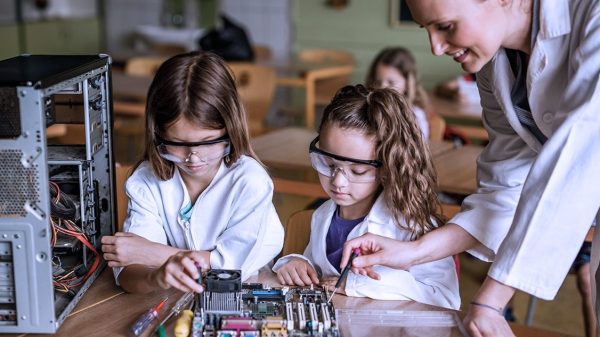
In this context, initiatives such as #GirlsLoveTech, promoted by Telefónica, or programs such as STEM Talent Girl, from the ASTI Foundation, play a key role in the early stages of the journey. Their common goal is to bring technology closer to girls from an early age and, above all, to prevent that initial interest from being lost over the years.
Although Telefónica has been developing different actions to promote technological vocations among young women for almost a decade, the #GirlsLoveTech community was officially born almost six years ago and, since then, has established itself as one of the company’s main commitments to equal opportunities in the innovation and science sectors.
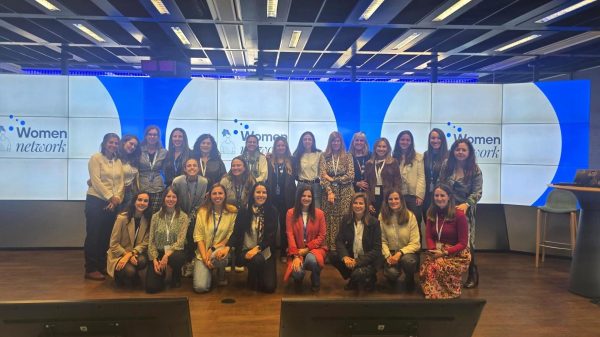
Through talks, events, and the direct participation of professionals from the group itself, #GirlsLoveTech relies on a network of more than 200 mentors who share their experience, accompany young women, and contribute to breaking stereotypes through their own example and experience.
STEM Talent Girl is a free national inspiration and mentoring program that identifies, promotes, and develops STEM vocations in female students from the first year of secondary school until they finish university. Its unique value lies precisely in its constant support, which is particularly important during adolescence, one of the most critical times when many girls, even though they have the ability and interest, abandon STEM disciplines due to a lack of role models, support, or confidence.
Within the program, students also have the opportunity to participate in research projects supervised by their mentors, professionals in the sector who share their experience and accompany the young women in the development of real ideas and solutions. The girls particularly value the closeness of their mentors, who tell them about their careers, answer questions, and show them what everyday life is like in STEM professions, reinforcing their motivation and confidence to move forward.
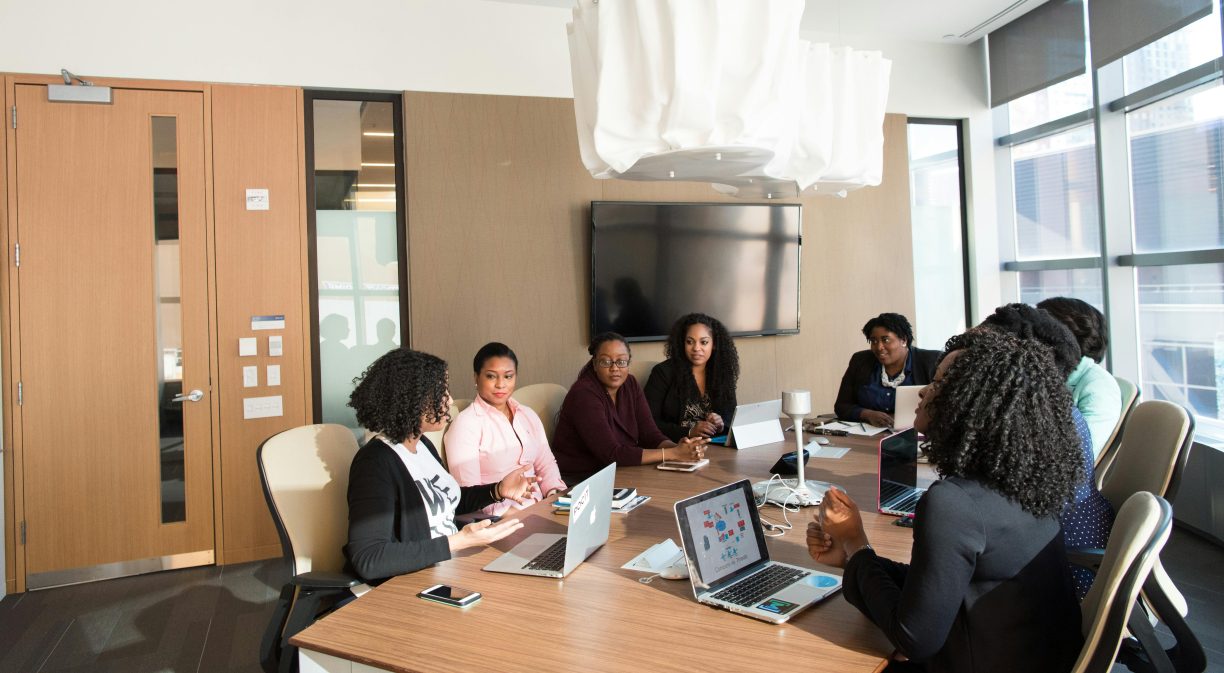
But the journey does not end when a woman enters the STEM sector. Visibility and leadership also matter. Initiatives such as the STEM Women Congress, organized by Global STEM Women, focus on something fundamental: making visible the women who are already leading, innovating, and transforming the sector.
In addition, Global STEM Women works internationally to analyze and give visibility to different initiatives in all the countries where they are present, connecting them with each other and creating a global support network. In this way, not only is existing talent recognized, but collaboration between professionals is also strengthened, the exchange of good practices is encouraged, and role models are created who serve as inspiration for new generations.
With all this in mind, yes, the International Day of Women and Girls in Science is a very important and necessary date to raise awareness and celebrate. But, as we have seen, real change does not happen by chance: it is built up throughout the rest of the year, with programs that accompany initial curiosity, mentoring that reinforces confidence, and role models that give visibility to female talent at all stages.
Because the future of STEM is not built with a single day on the calendar, but when we work together to create an ecosystem of continuous opportunities that allows girls and young women to imagine and see themselves as part of it.