

Spain faces a major risk if it fails to transform dependency into autonomy; and it can do so through technological innovation
With the change in Spain’s demographic pyramid (fewer births and longer-living elderly people), spending on dependency is becoming unsustainable under the current model. The threat is clear: if we do not take advantage of technology to prolong the autonomy of older people, the social protection system will collapse under its own weight and increase the national debt.
Medicine has enabled us to live longer, but now we have to ensure that those extra years are lived well. In other words, actively and autonomously, incorporating sustainable care models. In all cases, technology has much to contribute. But digitalisation can also lead to a digital divide that must be avoided. The two solutions that can help reduce it are:
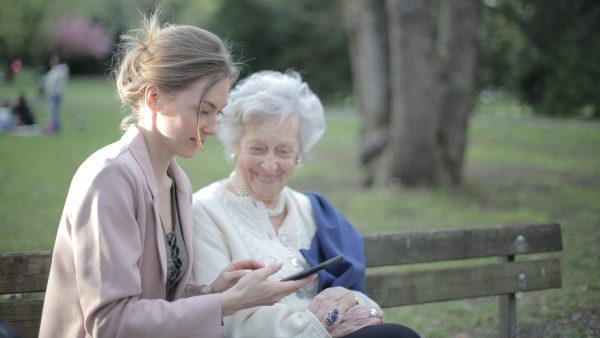
- Training. It is essential to train older people in technology, covering their daily needs, such as checking their bank statements and using their bank to connect with their grandchildren who are studying in another city and no longer call them on the phone. For example, Telefónica’s “Reconectados” programme works with older people to improve their digital skills and encourage their participation in the digital society.
- Inclusive design. The current trend is towards more “intuitive” and “transparent” technology. We have sensor solutions for homes that are practically imperceptible. The AI agents that older people talk to understand natural language perfectly and adapt their voice in volume and frequency to the needs of the listener so that they can be understood better. They can even be used with an avatar and subtitles.
However, the 65-year-olds of today are not the same as those of the past. This group of people is more digitally savvy, having already worked with technological tools. They know how to use GPT chat and are more aware of the importance of taking care of themselves in order to remain independent until the end of their days.
Telecare has gone from being a reactive system to a predictive and proactive one
These types of solutions have evolved thanks to data capture and sensorisation to collect it. Whether through avatars that converse with citizens and collect information anonymously or through a set of sensors in the home that allow the user to be monitored, information is collected that allows abnormal patterns to be detected and transferred to qualified professionals so that they can attend to these people.
This is possible because
enabling technologies such as 5G have been successfully deployed. Telefónica’s 5G network in Spain covers more than 5,700 municipalities throughout Spain, providing digital services to more than 94% of the population.
Technology can improve care
The shortage of professionals and the limited hours available to family members to care for their elderly relatives is a major challenge for society. The reality is that there will not be enough of them to meet the needs of people requiring care.
AI and robots make it possible to expand the scope of services to citizens in a scalable way. Caregivers will be able to devote themselves to what really adds value. The solutions we already have automate
administrative tasks with non-invasive but intelligent monitoring. There are also transcription services that organise information and, with a single click, update it so that it can then be validated by professionals. And in the near future, I believe that the use of domestic robots will help people to carry heavy loads, clean, get up, etc.
That is why there is increasing collaboration between the health and social services sectors. Telecare solutions are accompanied by telemedicine; others detect unwanted loneliness and prevent cognitive decline. But always protecting the personal information that travels through the network.